Milia Places Exactly How To Get Rid Of Milia Upcircle
Milia What Are They? And Exactly How Do You Remove Them? Your skin normally sheds dead cells, yet some can obtain stuck subepidermally, or below the surface area of the skin. These can end up being keratin cysts, which stay lodged under the skin and load your pores, ultimately coming to be key milia. A number of factors can result in milia, varying from skin care products to daily routines. Using a gentle AHA product or toner just 2-3 times a week helps speed up cell turnover, loosening up that keratin plug without any severe scrubbing up. While you can not "pop" milia, you can produce a setting where they are much less likely to linger. The goal is to delicately motivate your skin's all-natural dropping process, which aids bring the caught keratin to the surface so it can eventually be removed. While Skin Specialist some milia appear to turn up out of no place, our everyday routines often play a remarkably huge duty.
What should I stay clear of if I have milia?
that rest on top of your Evidence-Based Treatment skin instead of being soaked up. Exfoliate, Exfoliate, Scrub: Milia takes place when new skin kinds over dead skin cells that were not removed.
What Are The Different Types Of Milia?
Sunlight damage directly messes with the skin's all-natural dropping cycle. The link between skin damage and milia is in fact quite solid. As an example, in grownups with scorching diseases or those recuperating from particular skin procedures, the numbers are considerable.
Prevention Of Milia
According to Seattle Kid's Health center, milia happen in 40 percent of newborn babies.
They are safe skin developments that can be activated by certain skin care items and other issues.
As these skin cells die, the keratin might collect and end up being entraped in the pore, creating a little cyst, or a milium.
In really unusual instances, milia can be an indication of certain underlying hereditary disorders.
If you have relentless milia on your eyelids or near your eyes, see an ophthalmologist to discuss the ideal (and most safe) treatment options.
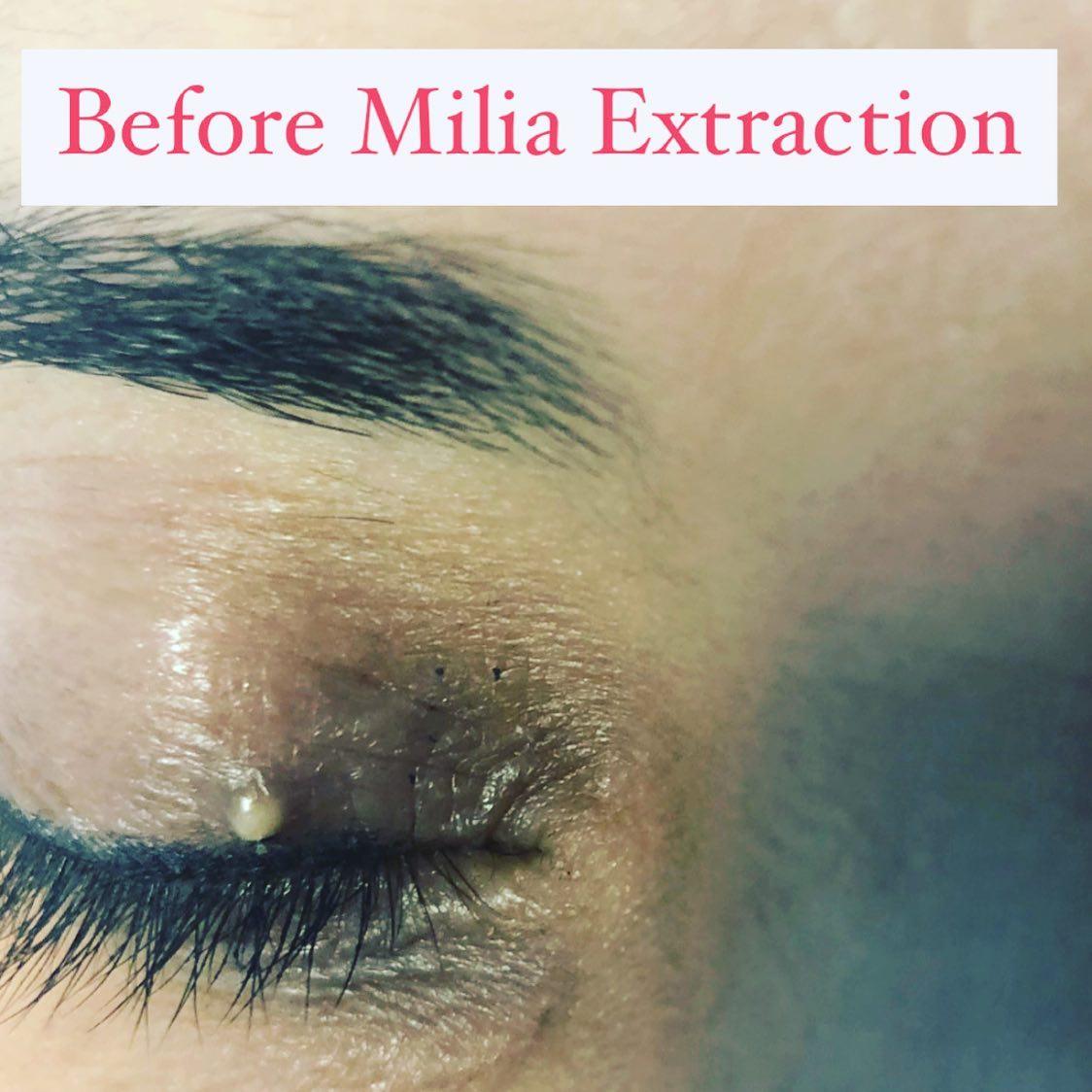
Absolutely nothing definitely stops milia from forming if you're vulnerable to them. It's an usual inquiry in my dermatology office - due to the fact that milia are common. You can obtain milia at any age, though they come to be a more typical skin trouble as you grow older. I received a great concern regarding milia from a reader and thought everyone wants to see the answer. The products you lovingly use and the techniques you use may be accidentally producing the perfect tornado for these little keratin bumps, particularly if you have delicate or responsive skin. After that you have additional milia, which are a direct result of skin trauma or damage. Consider your skin's recovery procedure like a building crew promptly leading over a roadway. If a little bit of debris (in this instance, keratin) gets left, it can become secured under the new surface area, producing a milium. Have you ever before noticed a tiny, pearly white bump on your face that simply ... remains? Milia are little bumps containing keratin caught under the skin. Milia are tiny cysts that are really little pockets created from your leading skin-layer called the epidermis. They appear like pinpoint-hard white cysts, often with a blackhead-like opening to the skin surface. When a person has a lot of them, the skin tackles a patched look. This is probably the number one inquiry we listen to, and the brief solution is no. There's no real clinical evidence that particular foods-- like dairy or high-cholesterol treats-- directly cause these little keratin bumps.
What Is A Milium Cyst?
When selecting a sunscreen, opt for a noncomedogenic, broad spectrum, and waterproof formula with at the very least an SPF 30 for daily wear. Do it yourself removals run out the concern, yet there are mild methods to deal with milia in the house. Once more, these little bumps are benign and typically vanish by themselves, however many individuals are bothered by the appearance and appearance of them. Unlike whiteheads, which are filled with soft sebum, milia are hard little cysts. A spa professional will utilize a tool like a little blade to nick the surface and delicately coax the bump out. Milia have no opening on the skin's surface area, so they can not be popped like whiteheads or blackheads. If you desire them removed, check out a skin specialist to do it effectively. If you've discovered tiny white or yellow bumps on your face, you might have presumed they were whiteheads. This might sound counterintuitive, but aggressive peeling is another concealed cause of milia. While gentle exfoliation is great for encouraging cell turnover, exaggerating it with extreme scrubs or solid chemical therapies can create micro-trauma on the skin's surface area. Usually, old skin cells loaded with keratin flake away by themselves. When that takes place, keratin can get entraped underneath a fresh layer of skin, forming a little, company, white cyst. Due to the fact that milia sit just under the skin's surface and aren't attached to pores, they act differently from acne. They aren't triggered by bacteria, excess oil, or inflammation, which is why squeezing or popping them does not work.